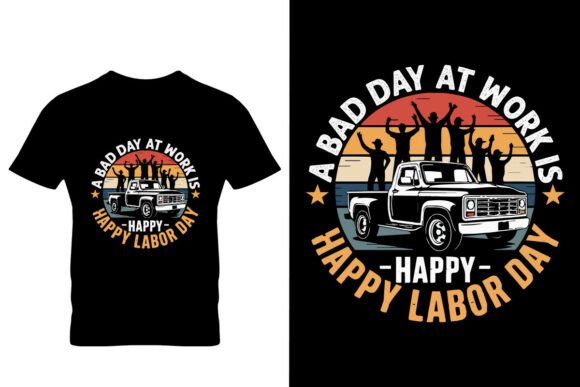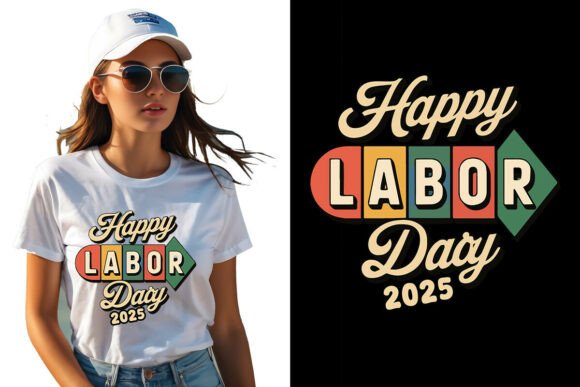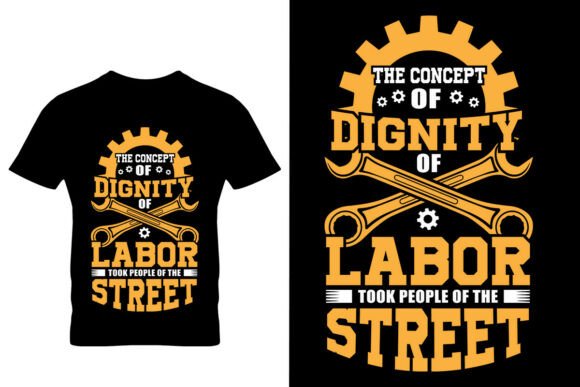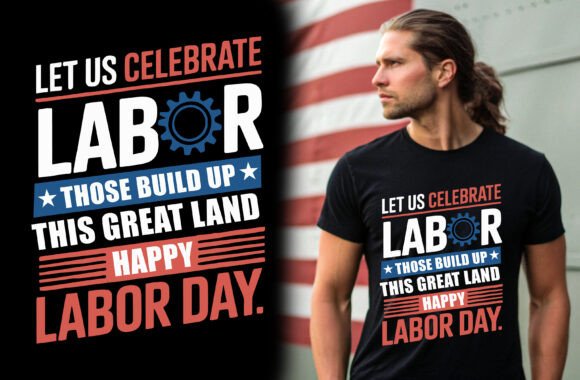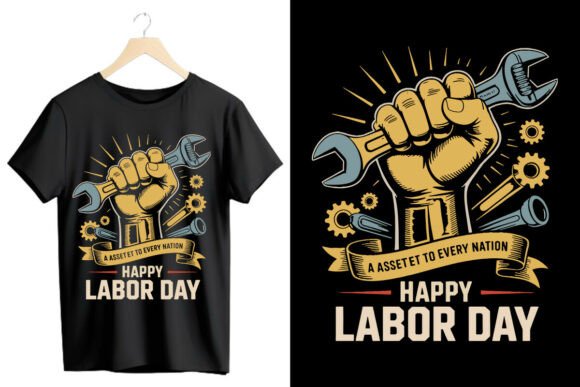
A Assetet to Every Nation Happy Labor Da
First Impressions: A Warm, Inclusive Gesture — Not Just Another Holiday Graphic
When I opened A Assetet to Every Nation Happy Labor Da, my first thought wasn’t “Oh, another Labor Day design.” It was, “This feels like a handshake — quiet, sincere, and intentionally broad.” The layout leans into balanced symmetry without rigidity: centered phrase, clean line weight, subtle spacing between words, and an understated rhythm that reads well at both 4” and 8” hoop sizes. It’s not flashy or cartoonish — no tools, no flags, no over-the-top typography. That’s its strength. As a machine embroidery design, it avoids visual clutter that often collapses in satin stitch or gets lost on textured fabric. For craft business owners stitching custom sweatshirts for local unions or boutique aprons for small-batch coffee roasters, this is the kind of embroidery file that says “thoughtful” before the first thread hits the fabric.
Where It Shines: Real Projects, Real Fabric, Real Customers
I tested A Assetet to Every Nation Happy Labor Da on three real-world items: a medium-weight cotton tote bag (for a neighborhood co-op’s volunteer appreciation day), a soft fleece-lined hoodie (for a handmade shop’s fall collection), and a linen tea towel (as a holiday gift for a teacher). On all three, the design held clarity — especially the word “Labor,” where letterforms stay legible even at 3.5” wide. No pixelation, no jagged edges in the curves. That matters. Too many Graphics labeled “Labor Day” rely on thin fonts or tight kerning that vanish under fill stitch density. This one doesn’t. It breathes.
For Etsy sellers offering personalized gifts, this embroidery file works beautifully as a minimalist patch or embroidered tote bag design — especially when paired with neutral thread colors like oatmeal, charcoal, or navy. It also translates cleanly to baby embroidery: stitched on a cotton onesie in pale sage thread, it read as gentle and meaningful, not commercial. And yes — it holds up on curved surfaces. I hooped it on a structured cap brim using light cutaway stabilizer and moderate tension, and the phrase stayed crisp, with no puckering around the “A” or “Da.”
Where to Pause — Not Every Fabric or Use Case Is Equal
That said, A Assetet to Every Nation Happy Labor Da isn’t magic. On ultra-thin rayon or highly stretchy jersey (think lightweight t-shirts), I recommend testing stitch density first — dense fill areas can pull the fabric if stabilizer isn’t matched precisely. Also, avoid placing it near seams or high-flex zones like elbow joints on sweatshirts unless you reinforce backing. On dark fabric, contrast depends entirely on your thread choice: white or cream works, but avoid pastel pinks or yellows unless you’re aiming for subtlety over impact. And while it scales down well for patches, don’t push below 2.75” — the spacing between letters starts to feel cramped, and “Happy” risks blending into “Labor” on low-res embroidery machines.
One note for commercial embroidery: because the phrase includes “Every Nation,” consider context. It reads warmly in community-driven shops or union-adjacent products, but may feel mismatched on corporate-branded merchandise unless aligned with inclusive brand values. It’s not a generic filler — it carries tone.
Design Integrity Meets Handmade Presentation
What makes A Assetet to Every Nation Happy Labor Da stand out among T-Shirt Designs isn’t just legibility — it’s intentionality. The capital “A” at the start, the lowercase “da” at the end: it’s not a typo. It’s a stylistic nod to spoken language, to warmth over formality. That detail builds trust. When customers see this on a finished product — say, an embroidered pillow cover sold at a craft fair — they sense care, not clip art. That perception lifts perceived value. Buyers pay more for handmade product when the design feels considered, not copied.
For digital embroidery file sellers, this is a strong candidate for bundles: pair it with simple laurel motifs or subtle star accents (not included, but easy to layer) and market it as a “Labor Day Essentials Pack.” Its clean lines also make it ideal for printable mockups — whether you’re showing clients how it looks on a hoodie or building an Etsy listing carousel.
Practical Designer Notes Before You Stitch
- Always test on scrap fabric first — especially if using textured weaves like waffle-knit towels or bouclé sweatshirts.
- Check thread color contrast against both light and dark fabric backgrounds before final hooping.
- Review stitch density in your embroidery software — reduce if stitching on lightweight cotton or baby knits.
- Confirm hoop size compatibility: the design fits comfortably in 4×4 and 5×7 hoops, but verify native dimensions before resizing.
- Inspect small details in black-and-white preview mode — this helps spot potential stitch overlap or thin-line loss.
- Use appropriate stabilizer: medium-weight cutaway for knits, tear-away for stable wovens like canvas or linen.
- Verify licensing before selling finished embroidered items or reselling the digital embroidery file — terms aren’t specified here, so check the original source.
Final Thought: A Quiet Design With Real Weight
A Assetet to Every Nation Happy Labor Da won’t shout from a crowded craft fair booth — and that’s why it works. It’s the kind of embroidery design that earns repeat orders because it supports the product, not overshadows it. Whether you’re a small shop owner embroidering kitchen towels for a local farmers’ market, an Etsy seller building a seasonal collection, or a hobbyist making personalized gifts for coworkers, this design respects the craft. It leaves room for fabric texture, thread nuance, and human touch. In a world full of loud, fast, disposable graphics, that kind of restraint is rare — and valuable.